

When FFA walks into a classroom, it doesn’t come as a guest—it comes as a partner. And not just any partner, but one that has earned the trust of parents, teachers, and school districts across the country for nearly a century. That trust is special. It’s not given lightly. It means something.
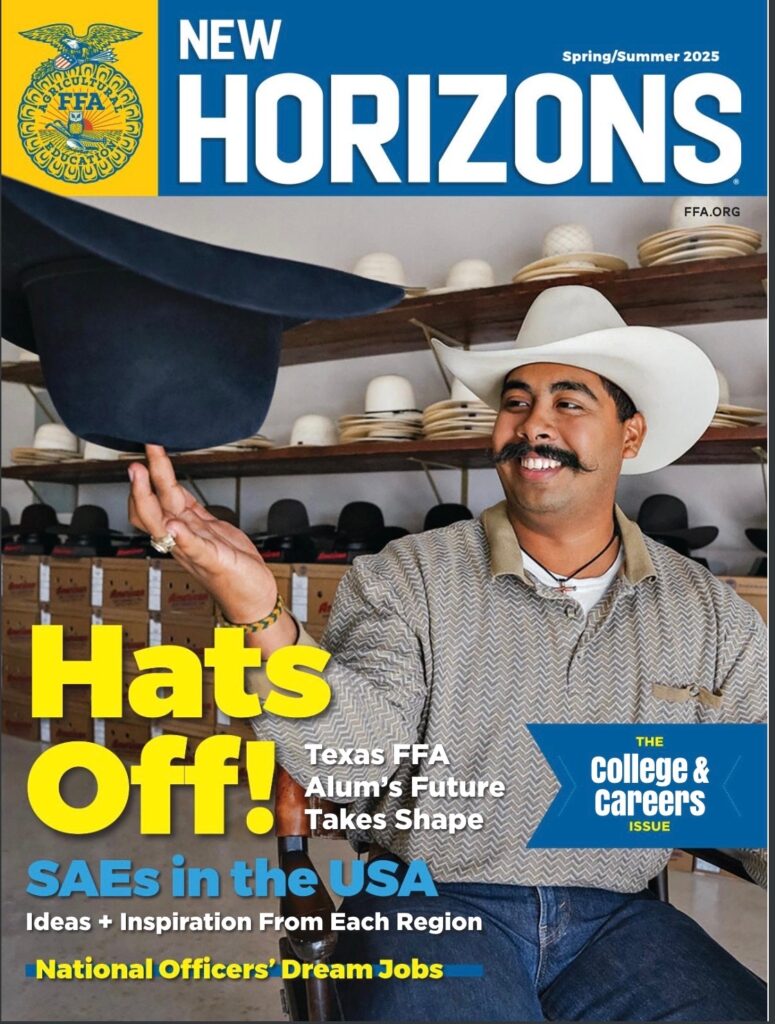
FFA isn’t just another student club. It’s invited into schools as part of the formal curriculum—under the banner of agricultural education. That unique role brings privilege, but also responsibility. And that’s why what was included in a recent issue of New Horizons—FFA’s official student magazine—left us deeply concerned.
In a bold, full-color spread, the magazine promotes “Pride in Agriculture,” a social advocacy platform highlighting LGBTQ+ voices in the ag industry. It features a QR code—easily scanned by middle and high school students—encouraging them to explore topics well outside the bounds of crop science, livestock management, or land stewardship. This wasn’t an offhand reference. It was a spotlight.
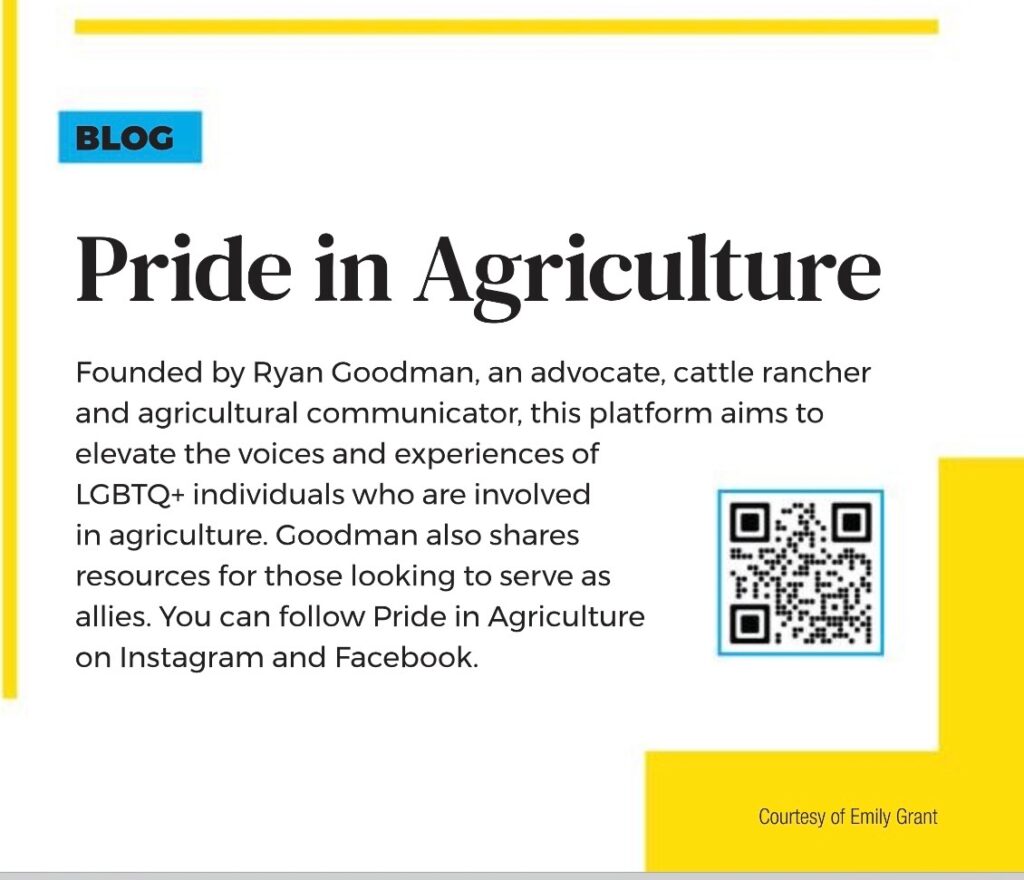
We have no quarrel with individuals living their lives as they see fit. But there is a line between personal expression and institutional endorsement—especially when it involves minors. Underage children received this content directly through a school-sanctioned program. That’s not just tone-deaf. That’s a breach of the unique trust that allows FFA into classrooms in the first place.
Parents expect FFA to teach students how to weld, farm, lead, and speak with purpose—not to promote cultural or ideological movements. That’s not what they signed up for. FFA is in our schools because it promises something different—something apolitical, rooted in tradition, discipline, and preparation for agricultural careers. It’s supposed to be an oasis from the identity-driven noise that dominates too much of our culture already.
When FFA publications veer into advocacy, they cross a boundary that was never theirs to step over. And in doing so, they risk undermining the very trust that makes their presence in the classroom possible.
That trust is not theirs to spend. It was given to them by parents, schools, and communities who believed FFA would stay focused on education—not social agendas.
So we ask—is this what the FFA should be focused on instead of agricultural education?